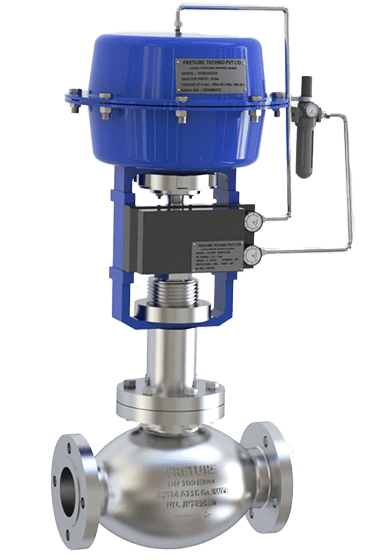
In the intricate realm of industrial systems, control valves stand as fundamental components, offering diverse mechanisms to manage fluid flow, pressure, and direction. From the precision of electric control valves to the versatility of pneumatic and hydraulic systems, each valve type plays a distinct role in shaping the efficiency and functionality of various industrial processes. Let's embark on an insightful journey into the characteristics, applications, and significance of different control valve types.
Electric Control Valves:
Electric control valves employ electric actuators for precise and automated flow regulation. Their integration into automated systems enables accurate control, making them ideal for applications demanding continuous modulation and seamless integration.
Electro-Hydraulic Control Valves:
Combining the benefits of both electric and hydraulic systems, electro-hydraulic control valves offer high force capabilities and precise control. Their usage spans industries requiring both accuracy and significant force application.
Flow Control Valves:
Flow control valves, ranging from ball valves to butterfly valves, facilitate the regulation of fluid flow rates. Their adaptability and varied designs suit different industries, offering solutions for throttling or isolation applications.
Hydraulic Control Valves:
Operating on hydraulic principles, these valves utilize hydraulic fluids to regulate pressure or flow. Commonly found in heavy machinery, manufacturing equipment, and aerospace, they ensure precise control over hydraulic systems.
Manual Control Valves:
Simple yet effective, manual control valves are manually operated using levers, handwheels, or gears. These valves serve in small-scale systems or as emergency shut-off valves, offering straightforward and reliable operation.
Mechanical Control Valves:
Employing mechanical mechanisms such as cams or linkages, mechanical control valves provide actuation and regulation. They find utility in specialized applications requiring specific mechanical actuation.
Pneumatic Control Valves:
Utilizing compressed air or gas for actuation, pneumatic control valves offer rapid response times and straightforward operation. Their suitability in various industries makes them versatile assets for precise control.
Proportional Control Valves:
Proportional control valves continuously modulate flow or pressure in response to control signals. Renowned for precision and responsiveness, they find application in robotics, aerospace, and industrial automation.
The world of control valves is diverse and multifaceted, offering a spectrum of solutions tailored to unique industrial needs. From the agility of pneumatic valves to the precision of proportional control, each valve type contributes its distinct advantages to optimize fluid dynamics and drive efficiency across industries. Understanding the nuances of these valves empowers industries to select, integrate, and utilize these essential components for enhanced performance, accuracy, and safety in fluid control systems.