In the world of industrial control systems, precision and responsiveness are paramount. Pneumatic control valves stand as stalwarts, providing an effective and reliable means of regulating fluid flow, pressure, and other critical process variables in a wide array of industries. These valves harness the power of compressed air or gas to achieve seamless control, offering a range of benefits that contribute to the efficiency and safety of industrial operations.
Understanding Pneumatic Control Valves
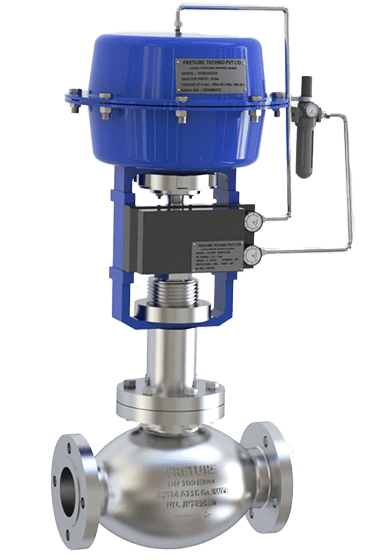
Pneumatic control valves operate on the principle of utilizing compressed air or gas to actuate the valve mechanism. The pneumatic energy is converted into mechanical motion, allowing the valve to perform functions such as opening, closing, or modulating the flow of fluids or gases within a system. This method of operation enables swift response times, precise control, and the ability to handle a diverse range of applications across various industries.
Features and Advantages
One of the primary advantages of pneumatic control valves is their rapid and accurate response to control signals. This responsiveness makes them ideal for applications requiring quick adjustments to flow rates or pressure levels. Their simplicity in design and operation also translates to reliability and ease of maintenance. Additionally, pneumatic control valves are highly versatile, compatible with different control systems, and suitable for use in hazardous environments due to the absence of electrical components in the actuation process.
Applications in Diverse Industries
Pneumatic control valves find extensive use across a spectrum of industries. In the realm of manufacturing, they contribute to precision control in processes involving chemical production, refining, and pharmaceutical manufacturing. In the automotive sector, these valves regulate air and fluid flow in pneumatic systems. They also play a crucial role in HVAC systems, ensuring efficient temperature and pressure control in commercial and residential buildings.
Optimizing Industrial Operations
The application of pneumatic control valves significantly enhances the efficiency and safety of industrial operations. Their ability to regulate flow and pressure accurately ensures consistent product quality, maximizes production efficiency, and reduces the risk of system failures. Furthermore, their reliability and fast response times contribute to cost-effectiveness by minimizing downtime and optimizing energy usage.
Future Trends and Innovations
As industries evolve, so do pneumatic control valves. Innovations in materials, design, and automation continue to refine these valves, enhancing their performance, reliability, and integration into advanced control systems. Smart technologies and digital interfaces are increasingly being incorporated into pneumatic control valves, enabling remote monitoring, predictive maintenance, and improved control accuracy.
Pneumatic control valves stand as indispensable components in modern industrial settings, offering precise and responsive control over fluid and gas processes. Their versatility, reliability, and efficiency contribute significantly to the optimization of industrial operations across diverse sectors. As technology progresses, these valves continue to evolve, ensuring they remain at the forefront of enhancing control, safety, and efficiency in industrial applications.



No comments:
Post a Comment