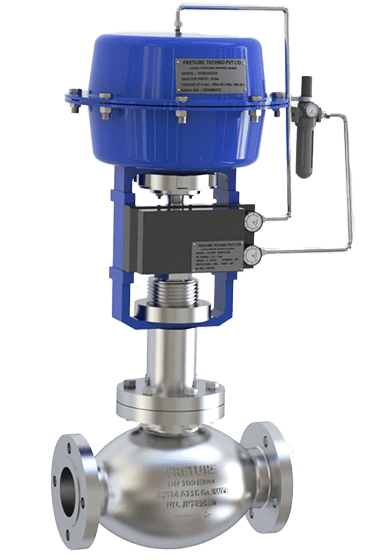
Electric control valves are pivotal components in modern industrial processes, offering precise and automated control over fluid flow, pressure, temperature, and other critical variables. These valves, actuated by electric motors or solenoids, have revolutionized various industries by enabling efficient and responsive control systems. Here's a detailed exploration of electric control valves, their functionality, applications, and advantages.
Functionality:
Electric control valves utilize electric actuators to regulate the flow of liquids, gases, or steam within a system. The actuators receive electrical signals from a control system, allowing precise positioning of the valve to achieve desired flow rates or pressure levels. This automated control mechanism facilitates continuous monitoring and adjustments, ensuring optimal system performance.
Types of Electric Control Valves:
Electric Globe Valves: These valves offer accurate throttling control and are often used in applications requiring precise flow modulation, such as in chemical processing and HVAC systems.
Electric Butterfly Valves: Known for their quick operation and moderate flow control capabilities, they find application in water treatment plants, power generation, and HVAC systems.
Electric Ball Valves: Providing fast on/off control, they are utilized in industries such as oil and gas, where rapid shut-off is necessary.
Applications:
Electric control valves are deployed across diverse industries:
Process Industries: They play a crucial role in chemical processing, petrochemical, and pharmaceutical industries, regulating the flow of various chemicals and substances in complex processes.
Power Generation: In power plants, these valves manage the flow of steam, water, or other fluids, ensuring efficient and safe operations.
HVAC Systems: They control the flow of air or water in heating, ventilation, and air conditioning systems, contributing to energy-efficient building operations.
Water and Wastewater Treatment: These valves assist in managing flow rates and processes in water treatment plants and wastewater facilities.
Advantages:
Precision and Accuracy: Electric control valves offer precise and repeatable control, allowing for accurate adjustments in flow or pressure.
Automation: Their automated operation reduces manual intervention, enhances system efficiency, and enables integration into sophisticated control systems.
Reliability: Electric actuators provide reliable performance, minimizing downtime and maintenance requirements.
Electric control valves have transformed industrial processes by providing reliable, precise, and automated control over fluid systems. Their versatility, efficiency, and ability to integrate into advanced control systems make them indispensable components in numerous applications across industries, ensuring optimized operations and consistent performance.



No comments:
Post a Comment