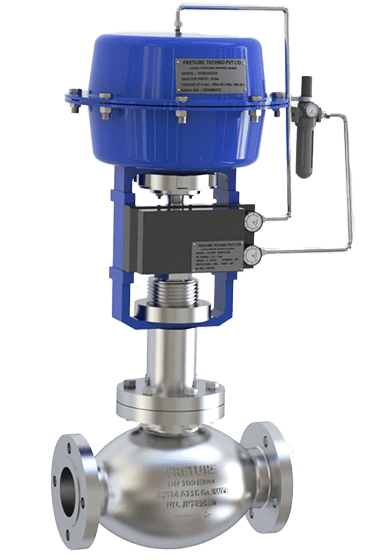
Diaphragm control valves are versatile and reliable components widely used across industries for precise fluid control. Their unique design, combined with their ability to handle challenging operating conditions, has made them an essential part of numerous processes. These valves are favored for their ability to regulate flow, maintain pressure, and ensure seamless operation even under stringent requirements.
Features of Diaphragm Control Valves
The distinctiveness of diaphragm control valves lies in their construction. These valves use a flexible diaphragm, usually made of materials such as rubber, elastomers, or PTFE, to control the flow of liquids or gases. The diaphragm separates the actuator from the fluid, creating a contamination-free barrier. This separation is particularly advantageous in applications requiring high levels of hygiene or resistance to aggressive chemicals.
One of the standout features of diaphragm control valves is their leak-proof operation. The diaphragm, when compressed, creates an airtight seal, preventing any leakage. This feature is especially valuable in industries where safety and cleanliness are non-negotiable.
Moreover, these valves are designed to handle a wide range of pressures and temperatures, making them suitable for both high-demand industrial applications and sensitive environments. Their bi-directional functionality allows flow control in either direction, adding to their versatility. Additionally, diaphragm control valves are compact, lightweight, and easy to maintain, further enhancing their appeal in diverse industries.
Applications of Diaphragm Control Valves
Diaphragm control valves are extensively used in industries where precision and reliability are critical.
Pharmaceutical Industry:
In pharmaceutical manufacturing, where sterility and contamination control are paramount, diaphragm control valves are integral. Their smooth, crevice-free interior minimizes the risk of bacterial growth, making them ideal for handling purified water, liquid medications, and other sensitive materials.Food and Beverage Industry:
The food and beverage sector relies on diaphragm valves for their hygienic design and ability to comply with strict safety standards. These valves ensure the safe transfer of liquids, such as milk, juices, and syrups, without compromising quality.Water Treatment:
Diaphragm control valves are crucial in water treatment plants for regulating the flow and pressure of water during purification processes. Their chemical resistance makes them suitable for handling chlorine, acids, and other substances used in water treatment.Chemical Processing:
In the chemical industry, diaphragm valves are trusted for their durability and ability to handle aggressive fluids. They ensure safe operations by preventing leaks and providing precise control over corrosive or hazardous substances.Power Plants and Energy Sector:
Diaphragm control valves also play a role in managing fluid systems within power plants. Their ability to withstand high temperatures and pressures makes them suitable for steam and other critical systems.
Advantages of Using Diaphragm Control Valves
The advantages of diaphragm control valves go beyond their basic functionality.
- Flexibility: Diaphragm materials can be customized based on application needs, ensuring compatibility with a wide range of fluids and gases.
- Low Maintenance: With fewer moving parts and a simple design, these valves require minimal upkeep, reducing downtime and maintenance costs.
- Environmentally Friendly: By preventing leaks and ensuring precise flow control, diaphragm valves contribute to reducing waste and maintaining environmental safety.
- Ease of Automation: These valves can be easily integrated with automated systems, enhancing operational efficiency and enabling remote control.
Selecting the Right Diaphragm Valve
Choosing the right diaphragm valve depends on factors such as the type of fluid, operating pressure and temperature, and specific application requirements. Industries should prioritize material compatibility to ensure the valve’s longevity and effectiveness. Consulting with manufacturers or suppliers for application-specific recommendations can help make an informed decision.
Conclusion
Diaphragm control valves are indispensable in modern industrial operations due to their unique design, versatility, and ability to meet rigorous demands. Their applications across industries such as pharmaceuticals, food processing, and water treatment highlight their importance in ensuring safety, precision, and reliability. By selecting the right diaphragm valve for specific needs, industries can optimize their processes and achieve operational excellence.



No comments:
Post a Comment