Friday, 29 November 2024

Top Applications of Globe 2 Way Control Valves in Chemical Processing and Oil Refining

Globe 2 way control valves serve as indispensable components for regulating the flow of various fluids under extreme pressure and temperature conditions. The chemical processing and oil refining industries are complex, high-stakes environments where precise control over fluid flow is essential. 

What is a Globe 2 Way Control Valve?

These control valve is a type of linear valve used to regulate the flow of liquids or gases in industrial systems. Its design features a movable plug or disc that controls the fluid flow by opening or closing depending on system demands. The ability to precisely control the flow of fluids makes the globe valve an essential tool in chemical processing and oil refining.

Top Applications in Chemical Processing and Oil Refining

1. Flow Control in Reactors

In chemical reactors, controlling the flow of reactants is crucial for ensuring that reactions take place at the correct rate and temperature. These control valves provide accurate flow control to maintain the required conditions for chemical reactions. Their ability to regulate the flow of gases, liquids, or solids ensures that the process remains efficient and safe.

2. Pressure Regulation in Distillation Columns

Distillation is a critical process in both chemical and oil refining industries. They are used to regulate the flow of fluids into distillation columns, ensuring that the pressure inside the column remains consistent. By managing the flow of materials in the column, these valves help achieve the desired separation of compounds and improve the overall efficiency of the distillation process.

3. Temperature Control in Heat Exchangers

Heat exchangers are often used in both chemical processing and oil refining to transfer heat between two or more fluids. These control valves play a vital role in regulating the temperature by adjusting the flow of hot or cold fluids through the exchanger. By accurately controlling the flow rates, globe valves ensure optimal temperature regulation, improving energy efficiency and preventing equipment damage.

4. Liquid Flow Control in Pipelines

In both the chemical processing and oil refining industries, transporting fluids through pipelines is a common requirement. These control valves are used in pipelines to regulate the flow of liquids, gases, or slurries. Their ability to control fluid flow accurately ensures that the transportation of materials remains efficient and minimizes losses or leaks.

5. Process Fluid Mixing

In many industrial applications, such as in the production of chemicals or petroleum products, it is essential to mix various fluids before processing. These control valves are used to manage the flow rates of different fluids, ensuring that they are mixed in the correct proportions. This is particularly important in processes that require precise chemical formulations or reactions.
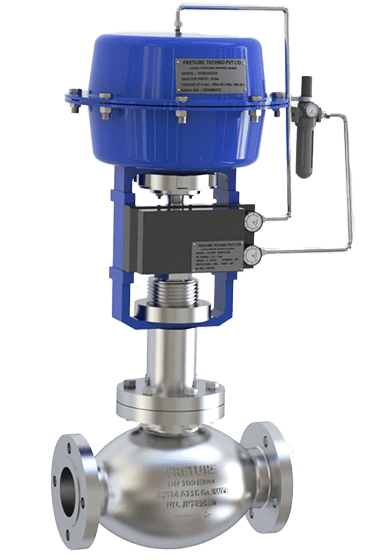
Globe control valve with pneumatic actuator


Benefits of Globe 2 Way Control Valves in Chemical and Oil Refining Industries

1. Precise Flow Control

These control valves provide accurate control over the flow of fluids, ensuring that the desired flow rates are achieved. This precision is critical in maintaining process consistency and optimizing product quality.

2. Durability in Harsh Environments

Given the extreme conditions in chemical processing and oil refining, These control valves are designed to withstand high temperatures, pressures, and corrosive fluids. Their robust construction ensures reliability and longevity in these demanding environments.

3. Energy Efficiency

By regulating fluid flow with precision, These control valves help reduce energy consumption in chemical processing and oil refining. Optimized flow rates ensure that only the necessary amount of energy is used, reducing operational costs and improving overall system efficiency.

Conclusion

Globe 2 way control valves are integral components in the chemical processing and oil refining industries, ensuring precise fluid flow regulation in a wide range of applications. Whether controlling flow in reactors, regulating pressure in distillation columns, or mixing process fluids, these valves help optimize operations, improve safety, and reduce energy consumption. As the need for more efficient and reliable systems grows, the role of globe 2-way control valves will continue to expand, solidifying their position as essential tools in these industries.


How Globe 2-Way Control Valves Enhance Efficiency in Industrial Fluid Systems

In industrial settings, precise flow control is crucial for maintaining operational efficiency and minimizing costs. One of the most important components in achieving this is the Globe 2-way control valve. These valves are designed to regulate fluid flow, pressure, and temperature, ensuring smooth and controlled operations across various systems. This article explores how Globe 2-way control valves enhance efficiency in industrial fluid systems.

What is a Globe 2 Way Control Valve?

These control valve is a linear valve used to regulate the flow of fluids within a system. It consists of two ports: an inlet and an outlet, with a movable disc or plug that opens or closes to control the flow rate. The design of the globe valve allows for precise throttling and flow regulation, making it ideal for applications where control and accuracy are critical.

Key Benefits in Industrial Fluid Systems

1. Precise Flow Control

One of the key advantages of Globe 2 way control valves is their ability to offer fine control over fluid flow. The linear motion of the valve allows for accurate adjustments, making it possible to regulate the flow with a high degree of precision. This is particularly beneficial in systems that require steady flow rates, such as steam, water, or gas systems.

2. Energy Efficiency

By maintaining optimal flow conditions and preventing unnecessary fluid movement, these control valves contribute to energy savings. For example, in heating or cooling systems, they help regulate the flow of hot or cold fluids, ensuring that only the necessary amount of energy is used, thus reducing overall energy consumption and operational costs.

3. Reduced Wear and Tear

Because these valves can maintain a stable flow rate without overcompensating or fluctuating, they help reduce the stress on downstream equipment. This not only increases the lifespan of valves and other components but also decreases maintenance costs and downtime, enhancing overall system reliability.

4. Tight Shutoff Capabilities

Globe valves provide excellent shutoff performance, which is crucial in preventing leaks and ensuring the system operates safely. The control valve’s design prevents leaks when it is closed, ensuring that fluids do not escape when they shouldn’t. This feature is vital for systems where maintaining pressure and containment is critical.

Globe control valve with pneumatic actuator

Applications in Industrial Fluid Systems

1. HVAC Systems

In HVAC systems, these control valves regulate the flow of air, hot water, or steam, contributing to energy-efficient heating and cooling. Their ability to adjust flow rates helps ensure optimal temperature control and energy savings in both residential and industrial HVAC systems.

2. Chemical Processing

In chemical processing, these control valves help regulate the flow of raw materials, solvents, and finished products. Their ability to precisely control fluid dynamics is essential for maintaining the correct concentrations of chemicals and ensuring product quality.

3. Water Treatment Plants

In water treatment facilities, these control valves are used to control the flow of water, chemicals, and other treatment agents. They help maintain consistent flow rates through filtration and purification processes, ensuring that the plant operates efficiently and safely.

4. Power Generation

Globe valves also play a crucial role in power plants, where they regulate the flow of steam or water through turbines and heat exchangers. Their precise control over fluid flow ensures that turbines operate efficiently, helping to maximize power generation and reduce fuel consumption.

Future

With increasing demands for energy efficiency, safety, and automation, the role of these control valves in industrial fluid systems is expected to grow. Future innovations may include smart actuators for remote monitoring, improved corrosion-resistant materials, and advanced leak-proof technologies. These advancements will further enhance the performance and reliability of these control valves in fluid management systems across various industries.

Conclusion

In summary, the Globe 2 way control valve is a versatile and efficient solution for managing fluid flow in industrial systems. Its ability to provide precise control, improve energy efficiency, and reduce wear and tear makes it an essential component in many industries, including HVAC, chemical processing, and water treatment. As industrial demands continue to evolve, the control valves will play a key role in ensuring optimized operations, reduced costs, and improved system reliability.

Thursday, 28 November 2024

Globe 3-Way Control Valve: Enhancing Efficiency in Flow Control Systems

In industries requiring precise flow control, the Globe 3-way control valve plays a pivotal role in managing the direction and pressure of fluids. Its ability to regulate, divert, and mix flows makes it an essential component in systems such as heating, ventilation, air conditioning (HVAC), chemical processing, and more. This article explores the features, applications, and advantages of the globe 3-way control valve, while focusing on the importance of choosing the right supplier.

What Is a Globe 3-Way Control Valve?

The globe 3-way control valve is designed to handle three flow paths, which can be configured as:

  • Diverting flow: Splitting a single input flow into two outputs.
  • Mixing flow: Combining two inputs into a single output.

Its design incorporates a spherical body (hence the term "globe") and a plug or disc element that moves along the valve seat. This movement is controlled by an actuator, which can be pneumatic, electric, or hydraulic, depending on the system's requirements.

The valve’s construction ensures precise modulation of flow, with high durability and resistance to wear. Materials such as stainless steel, carbon steel, and other alloys are commonly used to enhance performance under extreme temperatures and pressures.

Applications of Globe 3-Way Control Valves

The versatility of the 3-way globe valve makes it suitable for diverse industrial applications, including:

  1. HVAC Systems: Used to regulate temperature by controlling the mixing of hot and cold water streams.
  2. Chemical Processing: Essential in blending different chemicals to maintain process consistency.
  3. Oil and Gas Industry: Employed in separating or combining crude oil and other by-products.
  4. Pharmaceutical Manufacturing: Ensures precise control of fluids critical for product quality.
  5. Water Treatment Plants: Plays a key role in managing flow and pressure in filtration and distribution systems.

Advantages of Using Globe 3-Way Control Valves

The adoption of stainless steel 3-way control valves is driven by several advantages:

  • Improved Accuracy: The design offers superior flow regulation, even under variable pressure conditions.
  • Durability: Resistant to corrosion and capable of handling high-pressure environments.
  • Energy Efficiency: Ensures minimal leakage and optimal flow, reducing energy consumption in systems.
  • Cost-Effective Maintenance: Easily serviceable components lead to lower downtime and maintenance costs.

Key Features of Globe 3-Way Control Valves

When selecting a globe valve for mixing or diverting flow, certain features should be considered:

  1. Material Compatibility: Stainless steel options are preferred for corrosive environments, while carbon steel is ideal for non-corrosive applications.
  2. Actuator Type: Pneumatic actuators are popular for fast response, while electric actuators offer precise control.
  3. Temperature and Pressure Ratings: High-performance valves are designed to operate in extreme conditions without compromising efficiency.
  4. End Connections: Options such as flanged or threaded connections enhance compatibility with existing piping systems.

Why Are Globe 3-Way Control Valves Important?

The importance of industrial-grade globe 3-way valves lies in their ability to streamline processes. By enabling precise control over flow rate and direction, they contribute to improved system reliability and efficiency. Industries seeking enhanced automation often prioritize these valves for their compatibility with modern control systems.

Choosing the Right Supplier for Globe 3-Way Control Valves

When procuring 3-way globe control valves in India, working with a reputable manufacturer ensures quality and performance. Key factors to consider include:

  • Compliance with Standards: Valves should meet ISO and ASME standards for safety and performance.
  • Customizability: Tailored solutions ensure compatibility with unique operational needs.
  • After-Sales Support: Reliable suppliers provide technical support and maintenance services to enhance valve longevity.

Conclusion

The Globe 3-way control valve serves as a cornerstone in systems requiring precise flow control. Its ability to regulate, mix, or divert fluids enhances efficiency across industries, from HVAC and chemical processing to water treatment. Selecting high-quality valves designed with durable materials and advanced features can greatly impact system reliability and energy efficiency.

For industries seeking robust and efficient solutions, working with trusted suppliers offering a wide range of stainless steel 3-way control valves ensures long-term value. Reliable manufacturers are recommended for finding tailored solutions to meet specific application needs, delivering unmatched performance in flow control systems.

Top Applications of Globe 2 Way Control Valves in Chemical Processing and Oil Refining

Globe 2 way control valves serve as indispensable components for regulating the flow of various fluids under extreme pressure and temperatur...