Control valves are essential components in many industrial applications, regulating fluid flow, temperature, pressure, and level by fully or partially opening or closing in response to signals. Within this category, the Globe 3-Way Control Valve has gained prominence due to its versatile applications and reliable performance in controlling the flow direction of various fluids. This guide will explore the function, types, applications, benefits, and considerations for selecting Globe 3-Way Control Valves.
Overview of Control Valves
Control valves play a pivotal role in automated systems by adjusting flow rates and maintaining precise conditions across systems. With various types available, each valve type is designed for specific operational needs. However, the Globe 3-Way Control Valve is particularly advantageous for processes that involve mixing or diverting flows, making it a preferred choice for fluid management.
What is a Globe 3-Way Control Valve?
A Globe 3-Way Control Valve, as the name suggests, is a type of valve that features three ports, allowing it to control the direction and flow of liquids or gases. This design makes it suitable for mixing (combining two streams) or diverting (splitting one stream into two). Due to the unique capabilities of these valves, they are often used in applications requiring efficient fluid management and directional control.
Components of Globe 3-Way Control Valves
Several essential components are used in Globe 3-Way Control Valves:
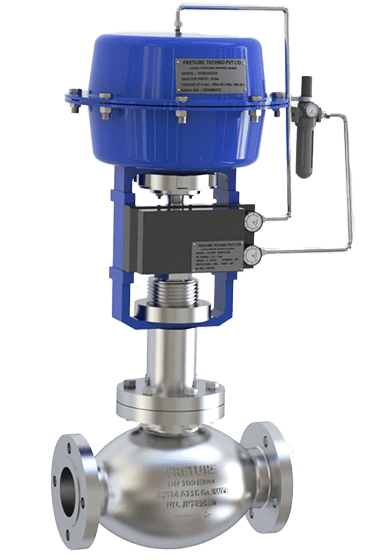
- Valve Body: The primary enclosure of the valve, often made from stainless steel or other durable materials to withstand high pressures and temperatures.
- Actuator: This part provides the force necessary to open or close the valve. Actuators may be pneumatic, hydraulic, or electric.
- Valve Trim: Comprising the internal elements in contact with the fluid, the trim includes the plug, seat, and stem, which regulate flow direction and volume.
- Positioner: Connected to the actuator, the positioner adjusts the valve position to control the process conditions accurately.
How the Globe 3-Way Control Valve Works
Globe 3-Way Control Valves operate by allowing fluid to enter through one port and exit through one or both of the remaining ports. These valves can mix two fluid streams into one or divert a single stream into two, depending on the process requirements. Control is achieved by moving a plug or ball within the valve body to either open or restrict fluid flow through the ports.
Types of Globe 3-Way Control Valves
Mixing Globe 3-Way Control Valve
The Mixing Globe 3-Way Control Valve is designed to blend two separate streams into a single output. This is particularly useful for applications requiring temperature regulation, such as heating or cooling systems, where hot and cold fluids are combined to reach a desired temperature.
Diverting Globe 3-Way Control Valve
The Diverting Globe 3-Way Control Valve splits one fluid stream into two separate flows. This configuration is ideal for situations where one fluid needs to be directed to two different destinations, such as cooling systems, where one stream can be directed toward heat exchange units, and the other toward alternative pathways.
Key Applications of Globe 3-Way Control Valves
Globe 3-Way Control Valves are utilized across a range of industries due to their versatile design and ability to manage complex fluid paths. Some of the common applications include:
- HVAC Systems: Used for heating and cooling applications where mixing or diverting fluid flow is essential for temperature regulation.
- Chemical Processing: Employed in processes where precise mixing of chemicals is required.
- Power Generation: Critical in power plants for controlling steam flow and regulating temperatures.
- Pharmaceutical Production: In pharmaceutical systems, these valves are used to maintain consistent flow rates and temperatures in highly regulated environments.
Benefits of Globe 3-Way Control Valves
Several advantages have made the Globe 3-Way Control Valve an asset in many industrial processes:
- Versatility: With the ability to mix or divert flows, Globe 3-Way Control Valves are adaptable to various process requirements.
- Precise Control: These valves offer high accuracy, making them suitable for processes requiring exact fluid control.
- Durability: Designed with robust materials, these valves are resistant to extreme temperatures, pressures, and corrosive substances.
- Efficient Flow Regulation: Fluid can be directed to multiple paths as needed, allowing for efficient system operation and energy savings.
Considerations When Selecting a Globe 3-Way Control Valve
When choosing a Globe 3-Way Control Valve, several factors should be considered to ensure compatibility with the intended application:
- Valve Material: The choice of material should be compatible with the fluid type and operating conditions. Stainless steel is a common choice for high-pressure and high-temperature applications.
- Size and Flow Rate: Valve size should be selected according to the required flow rate and pipe diameter to ensure optimal performance.
- Actuation Method: Consider whether pneumatic, electric, or hydraulic actuation best suits the control system.
- Temperature and Pressure Ratings: Ensure the valve's temperature and pressure ratings meet or exceed process requirements to avoid operational failures.
- Maintenance Requirements: Globe 3-Way Control Valves require routine inspection and maintenance, especially in high-stress environments, to maintain performance and durability.
Installation and Maintenance of Globe 3-Way Control Valves
Proper installation and maintenance of Globe 3-Way Control Valves are crucial to their performance. Installation should be done by professionals to ensure accurate alignment and avoid leaks. Periodic inspection and cleaning of the internal components are necessary to prevent buildup and wear. It is also important to test actuators regularly to ensure responsive control and consistent performance.
Common Challenges in Using Globe 3-Way Control Valves
While these valves offer several advantages, some challenges can arise if they are not selected or maintained correctly:
- Incorrect Sizing: Choosing a valve that is too large or too small for the required flow can result in reduced efficiency.
- Corrosion and Wear: In corrosive environments, valve materials can degrade over time, affecting performance.
- Actuator Malfunction: Actuators are essential for valve operation. Malfunctioning actuators can cause delayed response times, impacting process control.
Conclusion
Globe 3-Way Control Valves provide reliable and precise fluid control for mixing and diverting applications. Their robust construction, versatility, and adaptability make them essential components across various industries. When selecting a Globe 3-Way Control Valve, attention to material, sizing, and actuation can enhance efficiency and extend the service life of the valve.
Freture Techno Pvt. Ltd. is a leading manufacturer of Globe 3-Way Control Valves in Mumbai, India, offering high-quality products engineered to meet the specific needs of diverse industrial applications.



No comments:
Post a Comment