Diaphragm control valves play an essential role in fluid management across various industries. Known for their precision and reliability, these valves are used to regulate, control, and isolate fluid flow in critical processes. Diaphragm control valves are especially valued in industries that require hygienic and aseptic conditions, such as pharmaceuticals, food processing, and water treatment. With a flexible diaphragm as the main component, these valves offer distinct advantages for applications demanding high levels of control and cleanliness.
Overview of Diaphragm Control Valves
The diaphragm control valve is designed to deliver precise flow regulation while preventing contamination. Unlike other control valves, the diaphragm in these valves separates the actuator mechanism from the flow media. This separation ensures that fluids remain isolated from any mechanical parts, thus preventing potential contamination and making the valve suitable for high-purity applications.
Diaphragm control valves are often chosen for applications where hygiene is paramount. The valves are typically constructed with materials that meet stringent industry standards and offer compatibility with various fluids, including corrosive and abrasive media.
How Diaphragm Control Valves Work
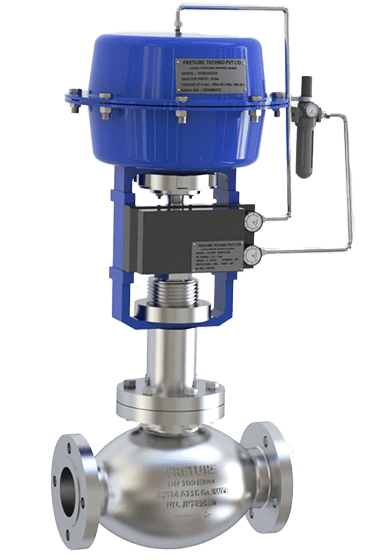
In diaphragm control valves, flow control is managed by a flexible diaphragm that presses against a seat to restrict or allow flow. The diaphragm’s movement is controlled by an actuator that can be pneumatic, hydraulic, or electric. When the actuator is activated, the diaphragm moves, either fully closing, partially opening, or fully opening the valve.
This method of control provides several advantages:
- Leak Prevention: The diaphragm ensures that the fluid remains confined within the valve body, reducing the risk of leakage.
- Enhanced Cleanliness: Since the fluid is isolated, the valve remains free from contaminants, making it ideal for use in sanitary processes.
- Low Maintenance: With minimal moving parts and no sliding seals, diaphragm valves require less frequent maintenance than other types of control valves.
Types of Diaphragm Control Valves
Diaphragm control valves are available in various types, each suited to specific operational requirements and applications:
Weir Type Diaphragm Valves: These valves feature a saddle-shaped weir that the diaphragm closes against. This design is ideal for throttling applications and offers fine control over fluid flow, making it common in industries requiring accurate dosing or mixing.
Straight-Through Diaphragm Valves: As the name suggests, these valves have a straight-through design that allows full bore flow when opened. This design is suitable for applications with high flow rates, as it minimizes pressure drop across the valve.
Multi-Turn Diaphragm Valves: Multi-turn designs are generally preferred in applications requiring gradual and precise control of the flow rate. This type of valve is used in complex processing environments where flow conditions need careful regulation.
Pinch-Type Diaphragm Valves: In this design, the diaphragm is squeezed or pinched to regulate flow. Pinch-type valves are highly effective for corrosive or abrasive fluids, as they minimize contact between the fluid and the valve components.
Applications of Diaphragm Control Valves
Due to their unique construction, diaphragm control valves are widely used across industries that require strict adherence to cleanliness, hygiene, and precision:
Pharmaceuticals: These valves are crucial in pharmaceutical manufacturing, where contamination control is vital. Diaphragm valves ensure sterile conditions are maintained, making them ideal for aseptic processing and clean-in-place (CIP) systems.
Food and Beverage: In the food processing industry, diaphragm valves are used to handle liquids, slurries, and semi-solids. Their design prevents contamination, which is essential for ensuring product quality and safety.
Water Treatment: Diaphragm valves are commonly used in water treatment systems for their ability to handle aggressive chemicals and abrasive media. Their durability and reliability make them suitable for managing various fluid handling tasks in water purification, desalination, and wastewater treatment plants.
Chemical Processing: Diaphragm valves are resistant to corrosive chemicals, making them ideal for handling aggressive fluids in the chemical processing industry. They provide the necessary control and containment for processes involving caustic, acidic, or reactive substances.
Benefits of Diaphragm Control Valves
Diaphragm control valves are recognized for their unique benefits, which contribute to their extensive use in industrial applications:
Enhanced Safety: Since the actuator is isolated from the fluid, diaphragm valves offer a higher level of operational safety. This feature is essential in applications involving hazardous or toxic substances.
High Contamination Control: The absence of sliding seals and moving parts in contact with the fluid minimizes contamination risks. This attribute is particularly advantageous in industries with stringent purity requirements.
Reliable Performance: Diaphragm control valves provide consistent and precise flow control, especially in throttling applications. Their reliable performance helps maintain product quality and improves process efficiency.
Low Operating Costs: Diaphragm valves are designed to be low-maintenance, which reduces downtime and operating costs. Their robust construction and resistance to wear extend their service life, providing a cost-effective solution for various industries.
Versatility in Application: Diaphragm control valves can handle a wide range of media, including abrasive slurries, corrosive chemicals, and viscous substances. This versatility allows them to be used in diverse applications, from simple fluid regulation to complex process control systems.
Choosing the Right Diaphragm Control Valve
Selecting the right diaphragm control valve depends on various factors, including fluid type, pressure, temperature, and flow rate requirements. The choice of materials, such as elastomer or PTFE for the diaphragm and corrosion-resistant alloys for the valve body, will also impact performance and durability. When choosing a diaphragm valve, it’s important to consider both the fluid characteristics and the specific application requirements to ensure optimal performance and longevity.
Maintenance and Troubleshooting
While diaphragm control valves are known for low maintenance, periodic inspections and maintenance are still recommended to ensure peak performance. The diaphragm should be checked for wear, as it is the primary component in contact with the fluid. Regular cleaning is also advisable, especially in applications with high-purity standards. Troubleshooting usually involves checking the actuator for proper operation and ensuring that the diaphragm is correctly seated to prevent leaks.
Innovations in Diaphragm Control Valves
Advancements in materials and design have led to new generations of diaphragm control valves that offer even greater durability, chemical resistance, and precision. Innovations such as improved actuator technology, corrosion-resistant alloys, and enhanced seal materials have further expanded the application range of diaphragm valves. These improvements allow diaphragm valves to meet increasingly rigorous standards across industries, from biopharmaceuticals to environmental engineering.
Conclusion
Diaphragm control valves are essential components in modern fluid management, valued for their precise control, safety features, and contamination prevention capabilities. Their design makes them suitable for applications across various industries, including pharmaceuticals, food and beverage processing, water treatment, and chemical manufacturing. By offering enhanced safety, reliability, and efficiency, diaphragm control valves help maintain process quality while reducing operating costs. For industries where cleanliness and precision are crucial, diaphragm control valves are an optimal choice, providing dependable solutions to meet the evolving demands of fluid handling.



No comments:
Post a Comment