In industries requiring precise flow control, the Globe 3-way control valve plays a pivotal role in managing the direction and pressure of fluids. Its ability to regulate, divert, and mix flows makes it an essential component in systems such as heating, ventilation, air conditioning (HVAC), chemical processing, and more. This article explores the features, applications, and advantages of the globe 3-way control valve, while focusing on the importance of choosing the right supplier.
What Is a Globe 3-Way Control Valve?
The globe 3-way control valve is designed to handle three flow paths, which can be configured as:
- Diverting flow: Splitting a single input flow into two outputs.
- Mixing flow: Combining two inputs into a single output.
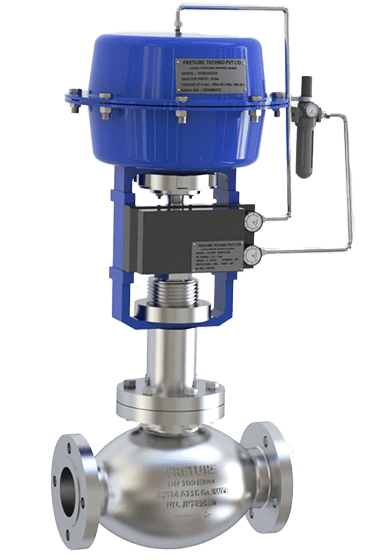
Its design incorporates a spherical body (hence the term "globe") and a plug or disc element that moves along the valve seat. This movement is controlled by an actuator, which can be pneumatic, electric, or hydraulic, depending on the system's requirements.
The valve’s construction ensures precise modulation of flow, with high durability and resistance to wear. Materials such as stainless steel, carbon steel, and other alloys are commonly used to enhance performance under extreme temperatures and pressures.
Applications of Globe 3-Way Control Valves
The versatility of the 3-way globe valve makes it suitable for diverse industrial applications, including:
- HVAC Systems: Used to regulate temperature by controlling the mixing of hot and cold water streams.
- Chemical Processing: Essential in blending different chemicals to maintain process consistency.
- Oil and Gas Industry: Employed in separating or combining crude oil and other by-products.
- Pharmaceutical Manufacturing: Ensures precise control of fluids critical for product quality.
- Water Treatment Plants: Plays a key role in managing flow and pressure in filtration and distribution systems.
Advantages of Using Globe 3-Way Control Valves
The adoption of stainless steel 3-way control valves is driven by several advantages:
- Improved Accuracy: The design offers superior flow regulation, even under variable pressure conditions.
- Durability: Resistant to corrosion and capable of handling high-pressure environments.
- Energy Efficiency: Ensures minimal leakage and optimal flow, reducing energy consumption in systems.
- Cost-Effective Maintenance: Easily serviceable components lead to lower downtime and maintenance costs.
Key Features of Globe 3-Way Control Valves
When selecting a globe valve for mixing or diverting flow, certain features should be considered:
- Material Compatibility: Stainless steel options are preferred for corrosive environments, while carbon steel is ideal for non-corrosive applications.
- Actuator Type: Pneumatic actuators are popular for fast response, while electric actuators offer precise control.
- Temperature and Pressure Ratings: High-performance valves are designed to operate in extreme conditions without compromising efficiency.
- End Connections: Options such as flanged or threaded connections enhance compatibility with existing piping systems.

Why Are Globe 3-Way Control Valves Important?
The importance of industrial-grade globe 3-way valves lies in their ability to streamline processes. By enabling precise control over flow rate and direction, they contribute to improved system reliability and efficiency. Industries seeking enhanced automation often prioritize these valves for their compatibility with modern control systems.
Choosing the Right Supplier for Globe 3-Way Control Valves
When procuring 3-way globe control valves in India, working with a reputable manufacturer ensures quality and performance. Key factors to consider include:
- Compliance with Standards: Valves should meet ISO and ASME standards for safety and performance.
- Customizability: Tailored solutions ensure compatibility with unique operational needs.
- After-Sales Support: Reliable suppliers provide technical support and maintenance services to enhance valve longevity.
Conclusion
The Globe 3-way control valve serves as a cornerstone in systems requiring precise flow control. Its ability to regulate, mix, or divert fluids enhances efficiency across industries, from HVAC and chemical processing to water treatment. Selecting high-quality valves designed with durable materials and advanced features can greatly impact system reliability and energy efficiency.
For industries seeking robust and efficient solutions, working with trusted suppliers offering a wide range of stainless steel 3-way control valves ensures long-term value. Reliable manufacturers are recommended for finding tailored solutions to meet specific application needs, delivering unmatched performance in flow control systems.



No comments:
Post a Comment