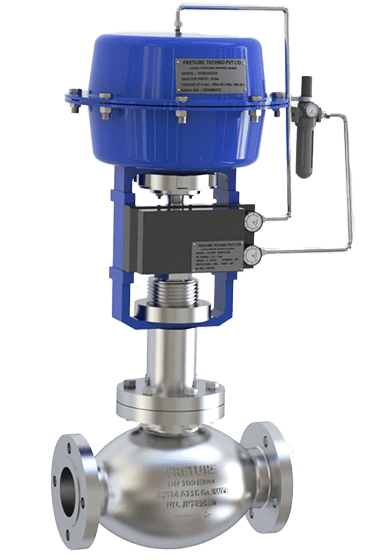
Hydraulic control valves are integral components in hydraulic systems, serving a critical role in regulating the flow, direction, and pressure of hydraulic fluid within various industrial and mechanical applications. These valves play a pivotal role in controlling the movement of actuators, hydraulic motors, and cylinders, enabling precise and efficient operation across a spectrum of industries.
Types of Hydraulic Control Valves:
Directional Control Valves:
Function: These valves direct the flow of hydraulic fluid, determining the path the fluid takes within the system.
Applications: Found in machinery, construction equipment, and industrial systems to control the movement of hydraulic cylinders or motors.
Pressure Control Valves:
Function: Pressure control valves regulate the pressure of hydraulic fluid within the system to ensure it remains within safe operating limits.
Applications: Vital in preventing system overloads and controlling pressure in various hydraulic systems.
Flow Control Valves:
Function: Flow control valves manage the rate at which hydraulic fluid travels through the system, allowing for controlled movement.
Applications: Used in systems where precise control over the speed or direction of hydraulic actuators is necessary.
Proportional Control Valves:
Function: These valves provide variable control over flow, pressure, or direction, offering fine-tuned adjustment capabilities.
Applications: Employed in sophisticated systems requiring precise and continuous adjustments, such as in robotics and automation.
Applications and Significance:
Hydraulic control valves find widespread application across numerous industries:
Manufacturing: In hydraulic presses, robotics, and machinery.
Construction: In excavators, loaders, and cranes for precise movement.
Agriculture: In tractors and agricultural machinery for steering and lifting operations.
Aviation and Aerospace: For actuation and control in aircraft systems.
Marine: In ship steering and propulsion systems.
Advantages and Considerations:
The advantages of hydraulic control valves include precise control, high power density, and reliability. However, proper maintenance, regular inspections, and adherence to safety protocols are crucial to ensure optimal performance and longevity.
In conclusion, hydraulic control valves serve as the backbone of countless mechanical operations, enabling the efficient and precise control of hydraulic systems across a diverse range of industries. Their crucial role in regulating fluid flow, pressure, and direction underscores their significance in driving modern machinery and industrial processes toward higher levels of efficiency and precision.



No comments:
Post a Comment