In the fast-paced world of industrial operations, efficiency is crucial. Process optimization leads to increased productivity, reduced costs, and improved safety standards. One component that plays a vital role in boosting process efficiency is the diaphragm control valve. With their ability to regulate flow precisely and maintain consistent operational conditions, these valves are instrumental in optimizing industrial systems across various sectors.
How Diaphragm Control Valves Improve Efficiency
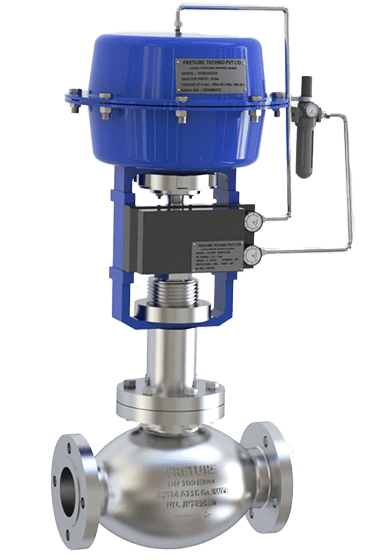
Diaphragm control valves are designed to offer precise flow control, making them highly effective in applications that demand accuracy. The unique diaphragm mechanism allows these valves to regulate the amount of fluid passing through based on real-time conditions. Unlike traditional valves, diaphragm control valves can respond to varying pressure levels, enabling automatic adjustments that enhance process stability and prevent unnecessary disruptions.
In applications such as fluid transfer, heating, cooling, and mixing, maintaining the correct flow rate and pressure is essential to prevent product inconsistencies. Diaphragm control valves play a central role in maintaining the set parameters, ensuring that production processes run smoothly without fluctuations in performance.
Reducing Energy Consumption and Operational Costs
Another key benefit of diaphragm control valves is their ability to help industries reduce energy consumption. Efficient flow control means that systems such as pumps, compressors, and heating units operate at optimal levels, minimizing energy waste. By maintaining the required flow rates without overworking these components, diaphragm control valves contribute to energy savings and reduce operational costs over time.
In industries such as chemical manufacturing, food processing, and pharmaceuticals, the ability to control flow with precision also means that there is less waste of raw materials. Efficient use of ingredients, chemicals, and water not only reduces production costs but also supports sustainable manufacturing practices.
Enhancing Process Safety
Diaphragm control valves also enhance process safety, which is vital in industries dealing with hazardous substances. Their leak-proof design ensures that dangerous chemicals or gases cannot escape the system, reducing the risk of accidents or contamination. The diaphragm mechanism acts as a barrier between the fluid and the valve’s actuator, providing an additional layer of safety that is crucial in sensitive environments like pharmaceuticals or chemical plants.
By ensuring tight seals and preventing leaks, diaphragm control valves help maintain safe operating pressures and protect equipment from damage caused by sudden changes in flow. This contributes to safer work environments and reduces the likelihood of costly repairs or shutdowns.
Improving Automation in Industrial Systems
Automation has revolutionized modern industries, and diaphragm control valves have adapted to this trend. These valves can be easily integrated into automated systems, allowing them to operate autonomously in real-time. With automated flow regulation, systems can adjust the flow of liquids or gases based on sensors and feedback loops, ensuring that processes run continuously without manual intervention.
This integration with automation reduces the need for human oversight and minimizes the chances of human error, which is a significant contributor to inefficiencies. As industries move toward fully automated processes, diaphragm control valves play a crucial role in improving both efficiency and reliability.
Applications of Diaphragm Control Valves in Process Efficiency
The benefits of diaphragm control valves in boosting process efficiency are evident across many industries:
- Water Treatment Plants: In water purification systems, diaphragm valves regulate the flow of water and treatment chemicals, ensuring that systems function effectively while preventing overuse of chemicals.
- Pharmaceutical Manufacturing: These valves maintain precise control over the flow of sterile liquids, preventing contamination and ensuring that the production of medicines meets stringent industry standards.
- Food and Beverage Industry: Diaphragm control valves are used to control the flow of ingredients, ensuring consistent product quality while reducing waste.
- Chemical Processing: In the chemical industry, diaphragm valves regulate the flow of corrosive substances with high precision, helping prevent leaks and contamination.
Conclusion
Diaphragm control valves are crucial to enhancing process efficiency in industrial operations. Their ability to provide precise flow regulation, reduce energy consumption, and ensure safety makes them an essential component in a wide range of industries. Whether in pharmaceuticals, food processing, or water treatment, these valves play a key role in improving operational performance, lowering costs, and supporting sustainability. Industries looking to optimize their processes should consider integrating diaphragm control valves to achieve better efficiency, safety, and cost-effectiveness in their operations.



No comments:
Post a Comment