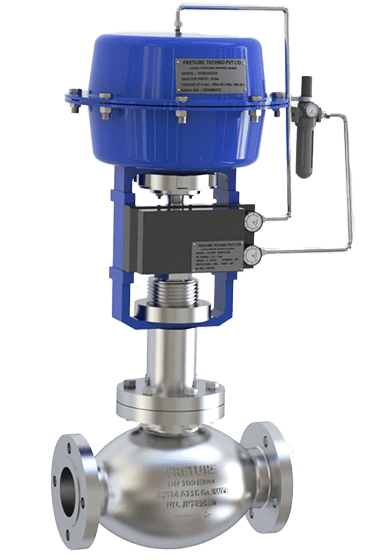
Flow control valves are essential components in various industries, serving a crucial role in managing, regulating, and directing the flow of fluids within systems. These valves come in different types, each designed to meet specific flow control requirements in diverse applications. Here's an in-depth look at flow control valves, their types, functionalities, and applications.
Understanding Flow Control Valves: A Comprehensive Overview
Types of Flow Control Valves:
Throttle Valves:
Throttle valves regulate flow by restricting the passage area, controlling the fluid velocity and subsequently the flow rate. They find application in systems where precise control over flow speed is crucial.
Needle Valves:
Needle valves employ a long, tapered needle-like plunger to finely regulate flow. These valves are ideal for applications requiring precise adjustments in low-flow conditions.
Flow Regulators:
Flow regulators maintain a consistent flow rate despite variations in inlet pressure. They ensure a constant flow downstream, critical in systems requiring steady flow delivery.
Orifice Valves:
Orifice valves use a fixed or variable orifice to control flow rates. They are commonly used in pipeline systems and hydraulic circuits to regulate flow by altering the opening area.
Pressure-Compensated Valves:
These valves adjust flow to maintain a specific pressure level, making them suitable for applications where pressure control is paramount.
Functionalities and Applications:
Precise Flow Management:
Flow control valves offer precise management of flow rates, critical in various industries such as pharmaceuticals, chemical processing, and food and beverage, ensuring accuracy in production processes.
Temperature and Pressure Regulation:
These valves assist in regulating temperature and pressure by controlling the flow of heat transfer fluids and managing system pressures in HVAC systems and industrial processes.
Fluid Distribution and Diversion:
Flow control valves facilitate the distribution and diversion of fluids in irrigation systems, water treatment plants, and hydraulic circuits, ensuring optimal usage and efficiency.
Hydraulic Systems and Automation:
In hydraulic systems, flow control valves aid in regulating the flow of hydraulic fluid, contributing to the smooth operation of machinery and automation systems.
Safety and Process Optimization:
Flow control valves play a crucial role in safety by preventing overflows, managing flow in emergency situations, and optimizing processes for efficiency.
Flow control valves are indispensable in various industries, offering precise control over fluid flow rates, pressures, and temperatures. Their diverse functionalities cater to a wide range of applications, ensuring efficiency, safety, and reliability in complex systems. Understanding the specific requirements of each application is key to selecting the appropriate flow control valve, ensuring optimal performance and reliability in industrial processes.



No comments:
Post a Comment